Choosing the Right Ghanaian Security Companies

Selecting the right security partner is critical for safeguarding national interests and maintaining public safety. In West Africa, particularly Ghana, the demand for professional security services has surged. Governments, military, and law enforcement agencies require reliable, efficient, and technologically advanced solutions. This post guides you through the essential factors to consider when choosing among Ghanaian security companies.
Understanding the Security Landscape in Ghana
Ghana’s security environment is complex and evolving. Threats range from organized crime to cyber-attacks and border security challenges. Effective security companies must offer comprehensive services that address these diverse risks. When evaluating providers, focus on their ability to integrate intelligence, defense, and operational security.
Key considerations include:
Experience with government and military contracts: Proven track records in sensitive environments matter.
Technological capabilities: Use of modern surveillance, communication, and data analysis tools.
Compliance with local and international standards: Ensures professionalism and accountability.
A thorough understanding of the local context enables security firms to tailor their services effectively.
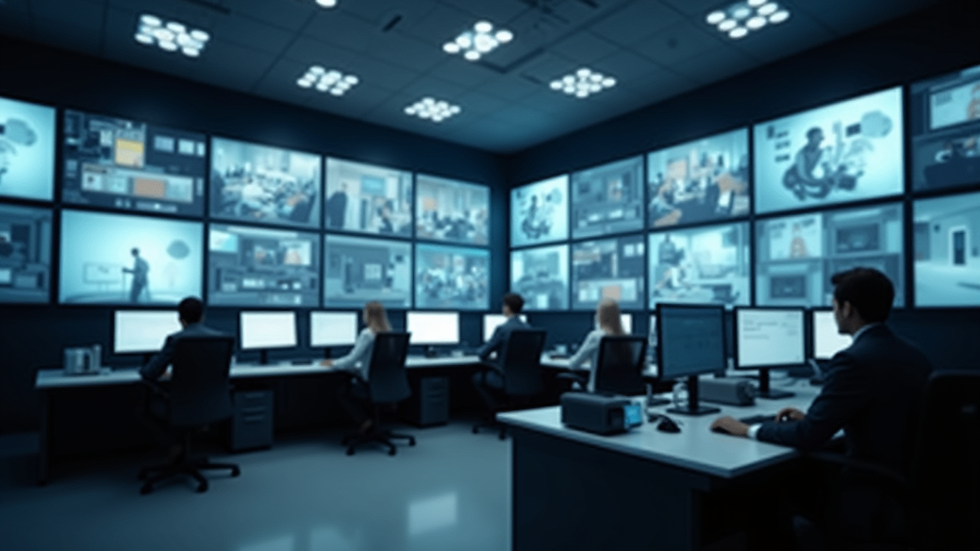
Evaluating Ghanaian Security Companies
Not all security companies are created equal. To identify the best fit, assess the following criteria:
1. Licensing and Accreditation
Verify that the company holds valid licenses from Ghana’s regulatory bodies. Accreditation from recognized international security organizations is a plus. This guarantees adherence to legal and ethical standards.
2. Range of Services
Top-tier companies offer integrated solutions, including:
Physical security personnel
Electronic surveillance systems
Cybersecurity services
Intelligence gathering and analysis
Crisis management and response
Ensure the provider can customize services to your specific operational needs.
3. Personnel Training and Expertise
Security personnel must be highly trained, disciplined, and vetted. Confirm that the company invests in continuous professional development and background checks. Specialized training in counterterrorism, cyber defense, and emergency response is essential.
4. Technology Integration
Modern security demands advanced technology. Evaluate the company’s use of:
CCTV and biometric systems
Drones and remote sensing
Secure communication networks
Data analytics platforms
Technology should enhance, not replace, human judgment.
5. Reputation and References
Request references from previous government or military clients. Positive testimonials and case studies demonstrate reliability and effectiveness. Avoid companies with a history of complaints or legal issues.
Strategic Partnerships and Collaboration
Security challenges require collaboration. The best Ghanaian security companies foster strategic partnerships with local and international agencies. This enables:
Intelligence sharing
Joint training exercises
Coordinated response to threats
Such alliances amplify capabilities and improve mission success rates.

Practical Steps to Selecting Your Security Partner
Follow this actionable process to make an informed decision:
Define your security objectives clearly: Identify specific threats and operational requirements.
Compile a shortlist of qualified companies: Use industry directories and government recommendations.
Request detailed proposals: Include service scope, technology use, personnel qualifications, and pricing.
Conduct site visits and interviews: Assess facilities, equipment, and team professionalism.
Evaluate compliance and risk management policies: Ensure alignment with your standards.
Negotiate terms and establish clear contracts: Define performance metrics and accountability measures.
Plan for ongoing monitoring and evaluation: Security needs evolve; maintain flexibility.
This structured approach minimizes risks and maximizes security outcomes.
Why Choose Concept Security Systems (CSS)?
Concept Security Systems (CSS) exemplifies the qualities essential in a leading security provider. Their commitment to integrated intelligence, defense, and security solutions positions them as a top contender in West Africa. CSS’s strategic partnerships and advanced technology platforms support governments, military, and law enforcement agencies in achieving mission success.
For those seeking a trusted ghana security company, CSS offers:
Comprehensive service portfolios
Experienced and vetted personnel
Cutting-edge technology integration
Proven operational excellence
Their focus on collaboration and innovation aligns with the highest standards of security provision.
Ensuring Long-Term Security Success
Choosing the right security company is not a one-time decision. It requires ongoing assessment and adaptation. Establish clear communication channels and performance reviews. Encourage feedback from all stakeholders to identify areas for improvement.
Security is a dynamic field. The right partner will evolve with emerging threats and technological advancements. Prioritize companies that demonstrate agility, transparency, and a commitment to continuous improvement.
Selecting a Ghanaian security company demands diligence and strategic insight. By focusing on experience, technology, personnel, and partnerships, you can secure a provider that meets your operational needs and supports national security objectives. The right choice strengthens your defense capabilities and ensures peace of mind.


Comments