Exploring Types of Security Posts in Ghana: A Comprehensive Overview

Security infrastructure forms the backbone of national safety and stability. In Ghana, the establishment and operation of security posts are critical to maintaining law and order, protecting assets, and supporting government and military objectives. This article provides a detailed examination of the types of security posts in Ghana, their functions, and their strategic importance. It also addresses the organizational levels within security frameworks and offers practical insights for enhancing security operations.
Understanding the Types of Security Posts in Ghana
Security posts in Ghana vary widely depending on their location, purpose, and the agency responsible for their operation. These posts serve as the first line of defense against threats and play a pivotal role in intelligence gathering, surveillance, and rapid response.
Fixed Security Posts
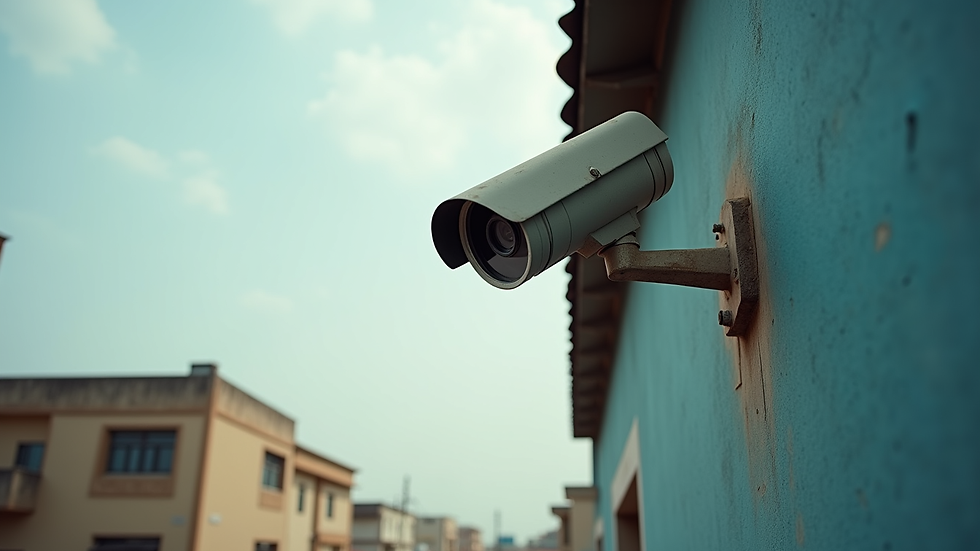
Fixed security posts are permanent installations located at strategic points such as government buildings, military bases, airports, and border crossings. These posts are staffed continuously and equipped with communication tools, surveillance cameras, and access control systems. Their primary function is to monitor and control entry and exit, deter unauthorized access, and provide immediate response to incidents.
Mobile Security Posts
Mobile security posts are flexible units that can be deployed to various locations as needed. They are often used for patrolling high-risk areas, escorting VIPs, or responding to emergencies. These posts rely on vehicles and portable equipment, allowing security personnel to cover larger areas and adapt to changing threat environments.
Checkpoints and Roadblocks
Checkpoints and roadblocks are temporary or semi-permanent posts established on roads and highways. Their purpose is to inspect vehicles and individuals for contraband, illegal weapons, or unauthorized movement. These posts are crucial in border security and in controlling the flow of goods and people during heightened security alerts.
Intelligence and Surveillance Posts
These specialized posts focus on gathering and analyzing information related to security threats. They are often discreet and equipped with advanced technology such as drones, electronic monitoring devices, and data analysis tools. Intelligence posts support decision-making processes and help preempt security breaches.

How Many Levels Are in Security?
Security operations in Ghana are structured across multiple levels to ensure comprehensive coverage and effective command and control. Understanding these levels is essential for coordinating efforts and optimizing resource allocation.
Strategic Level
At the strategic level, security policies and frameworks are developed. This level involves senior government officials, military commanders, and intelligence chiefs who set priorities and allocate resources. Strategic planning ensures that security posts align with national security objectives.
Operational Level
The operational level translates strategic directives into actionable plans. Security agencies coordinate activities across regions, manage logistics, and oversee the deployment of personnel and equipment. This level ensures that security posts function cohesively and respond effectively to incidents.
Tactical Level
The tactical level involves the direct management of security posts and personnel on the ground. Commanders at this level supervise daily operations, conduct patrols, and maintain communication with higher levels. Tactical decisions are critical for immediate threat mitigation and maintaining order.
Support Level
Support functions include training, maintenance, intelligence analysis, and administrative tasks. These activities underpin the effectiveness of security posts by ensuring personnel are well-prepared and equipment is operational.
Key Functions and Responsibilities of Security Posts
Each type of security post in Ghana carries specific responsibilities tailored to its role within the broader security framework. Understanding these functions helps clarify their contribution to national safety.
Access Control: Monitoring and regulating entry to sensitive areas.
Surveillance: Continuous observation to detect suspicious activities.
Patrolling: Active presence in assigned areas to deter crime.
Incident Response: Rapid reaction to emergencies and security breaches.
Intelligence Gathering: Collecting data to inform security strategies.
Community Engagement: Building trust and cooperation with local populations.
Security posts must maintain high standards of professionalism and readiness. Regular training and adherence to protocols are non-negotiable for success.
Enhancing Security Post Effectiveness in Ghana
Improving the performance of security posts requires a combination of technology, training, and strategic partnerships. Here are actionable recommendations:
Integrate Advanced Technology: Deploy surveillance cameras, biometric access controls, and communication systems to enhance monitoring and response capabilities.
Continuous Training: Implement regular training programs focusing on tactical skills, legal frameworks, and community relations.
Strengthen Intelligence Sharing: Foster collaboration between agencies to ensure timely and accurate information flow.
Community Involvement: Engage local communities to gain support and gather grassroots intelligence.
Regular Audits and Assessments: Conduct evaluations to identify weaknesses and implement corrective measures promptly.
These steps will ensure that security posts remain robust and adaptive to evolving threats.

The Strategic Importance of Security Posts in National Defense
Security posts are not isolated entities; they form an integrated network essential for national defense. Their strategic placement and operational efficiency directly impact the ability to prevent and respond to threats.
Border Security: Posts at borders prevent illegal crossings and smuggling.
Critical Infrastructure Protection: Security posts safeguard power plants, communication hubs, and transportation nodes.
Counterterrorism: Early detection and disruption of terrorist activities rely on vigilant security posts.
Support for Law Enforcement: Posts assist police in crime prevention and investigation.
Military Operations: Security posts provide logistical and intelligence support to military units.
By maintaining a strong presence through these posts, Ghana enhances its sovereignty and stability.
Moving Forward with Integrated Security Solutions
The future of security in Ghana depends on the integration of intelligence, defense, and technology. Concept Security Systems (CSS) is committed to advancing this vision by providing comprehensive solutions tailored to the needs of government, military, and law enforcement agencies.
For those seeking detailed information on all security posts in Ghana, it is crucial to consider the diversity and specialization of these installations. A unified approach that combines fixed, mobile, checkpoint, and intelligence posts will yield the most effective security outcomes.
Security is a dynamic field. Continuous improvement, strategic foresight, and collaboration are essential to meet emerging challenges and protect the nation effectively.


Comments