Comprehensive Overview of Security Services in Ghana: Ghana Safety Solutions
- CSS

- Dec 15, 2025
- 4 min read
Updated: Mar 19
Security remains a paramount concern for governments, military, and law enforcement agencies across West Africa. Ghana, as a stable and growing nation, has developed a robust framework of security services designed to protect its citizens, infrastructure, and national interests. This article provides a detailed examination of the security landscape in Ghana, focusing on the latest ghana safety solutions and the strategic role they play in national defense and public safety.
The Landscape of Ghana Safety Solutions
Ghana’s security environment is shaped by a combination of traditional law enforcement, private security firms, and advanced technological systems. The government has invested heavily in modernizing its security apparatus to address emerging threats such as cybercrime, terrorism, and organized crime.
Key components of ghana safety solutions include:
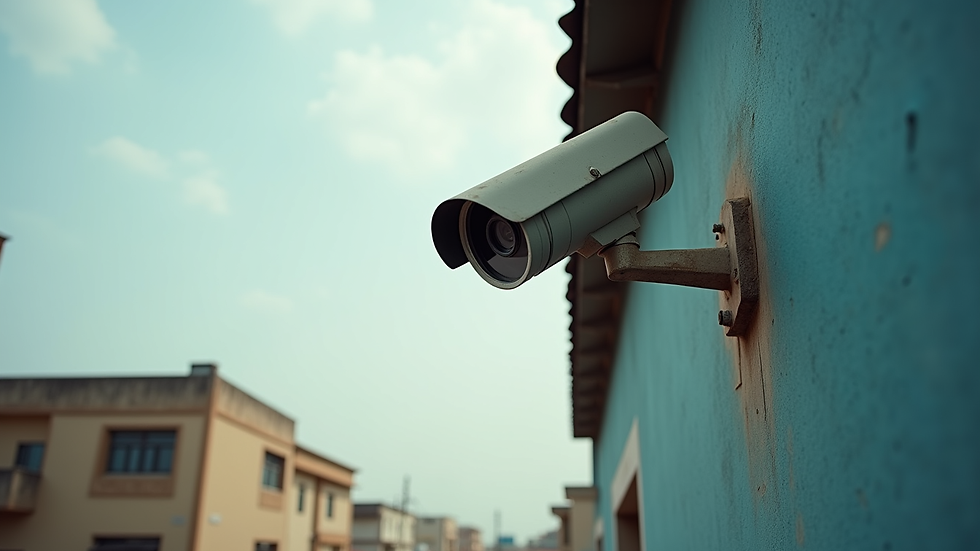
Integrated Surveillance Systems: Deployment of CCTV cameras, drones, and biometric access controls in critical areas.
Private Security Firms: Licensed companies providing armed and unarmed security personnel, alarm systems, and rapid response teams.
Cybersecurity Measures: Protection of government and military digital infrastructure against hacking and data breaches.
Community Policing Initiatives: Collaboration between law enforcement and local communities to enhance intelligence gathering and crime prevention.
These solutions are designed to work in synergy, ensuring comprehensive coverage across urban and rural areas. For example, in Accra, the capital city, integrated surveillance has significantly reduced street crime rates by enabling real-time monitoring and quick police response.

Strategic Importance of Ghana Safety Solutions for National Security
The strategic deployment of ghana safety solutions is critical for maintaining national stability. Ghana’s geographic location makes it a hub for regional trade and diplomacy, but also exposes it to cross-border security challenges. Effective security services support:
Border Security: Preventing illegal crossings, smuggling, and trafficking.
Critical Infrastructure Protection: Safeguarding power plants, ports, and communication networks.
Counterterrorism Operations: Detecting and neutralizing threats before they materialize.
Disaster Response Coordination: Ensuring rapid mobilization of resources during emergencies.
Government agencies collaborate closely with private security providers to enhance operational efficiency. This public-private partnership model leverages the strengths of both sectors, combining intelligence capabilities with manpower and technology.

How Much is the Salary of Security Personnel in Ghana?
Understanding the remuneration of security personnel is essential for assessing the sustainability and quality of security services. Salaries vary depending on the role, experience, and employer type (government or private sector).
Entry-Level Security Guards: Typically earn between GHS 800 to GHS 1,200 per month.
Experienced Security Officers: Can earn up to GHS 2,500 monthly, especially in specialized roles.
Supervisors and Managers: Salaries range from GHS 3,000 to GHS 5,000, reflecting higher responsibility.
Government Security Personnel: Often receive additional benefits such as housing, medical coverage, and pensions.
Competitive salaries are crucial to attract and retain skilled personnel. They also incentivize professionalism and reduce the risk of corruption or negligence. Training programs and career advancement opportunities further enhance the effectiveness of security teams.
The Role of Technology in Enhancing Security Services
Technology is a force multiplier in Ghana’s security sector. The integration of advanced tools has transformed traditional security operations into intelligence-driven missions. Key technological advancements include:
Artificial Intelligence (AI): Used for facial recognition, threat detection, and predictive analytics.
Unmanned Aerial Vehicles (UAVs): Provide aerial surveillance in inaccessible or high-risk areas.
Mobile Command Centers: Enable real-time communication and coordination during field operations.
Cyber Defense Systems: Protect critical data and communication networks from cyberattacks.
These technologies allow security agencies to respond faster and more accurately to incidents. For example, AI-powered analytics can identify suspicious behavior patterns in crowded public spaces, enabling preemptive action.
Partnering with Concept Security Systems for Advanced Ghana Security Services
To achieve the highest standards of security, collaboration with expert providers is essential. Concept Security Systems (CSS) stands out as a leader in delivering integrated intelligence, defense, and security solutions tailored to the needs of governments, military, and law enforcement agencies.
CSS offers:
Comprehensive risk assessments and threat analysis.
Deployment of cutting-edge surveillance and monitoring equipment.
Training and capacity building for security personnel.
Strategic advisory services for national security planning.
By partnering with CSS, agencies gain access to a network of expertise and technology that enhances operational readiness and mission success. Their commitment to innovation and excellence positions them as a top choice for ghana security services.
Future Directions in Ghana’s Security Sector
The security landscape in Ghana will continue to evolve in response to new challenges. Future priorities include:
Expanding Cybersecurity Capabilities: Protecting against increasingly sophisticated cyber threats.
Enhancing Regional Cooperation: Sharing intelligence and resources with neighboring countries.
Investing in Human Capital: Continuous training and professional development for security personnel.
Adopting Smart City Technologies: Integrating security systems with urban infrastructure for seamless protection.
Sustained investment and strategic partnerships will ensure that Ghana remains a secure and stable nation, capable of protecting its citizens and supporting regional peace.
Conclusion
Security in Ghana is a complex, dynamic field requiring constant vigilance and innovation. By understanding the components and strategies of ghana safety solutions, agencies can better prepare to meet current and future threats. The integration of technology, skilled personnel, and strategic partnerships forms the backbone of effective security services in Ghana today.
As we move forward, the commitment to enhancing security measures will be pivotal. The collaboration between government and private sectors will ensure that Ghana not only addresses its current security challenges but also anticipates future threats. This proactive approach will solidify Ghana's position as a leader in security solutions within West Africa.


Comments