Comprehensive Security Services Accra: A Strategic Overview

Security in Accra demands precision, reliability, and adaptability. As a professional deeply involved in the security sector, I understand the critical need for comprehensive solutions tailored to the unique challenges faced by government, military, and law enforcement agencies. This post outlines the current landscape of security services in Accra, highlighting key options, strategic insights, and practical recommendations for enhancing national and regional safety.
Understanding Security Services Accra: Scope and Significance
Security services in Accra encompass a broad spectrum of offerings designed to protect assets, personnel, and infrastructure. These services range from physical security and surveillance to intelligence gathering and cyber defense. The capital city’s dynamic environment requires a multi-layered approach that integrates technology, human expertise, and strategic planning.
Key components include:
Physical Security: Guard services, access control, and perimeter protection.
Intelligence Solutions: Data analysis, threat assessment, and real-time monitoring.
Cybersecurity: Protection against digital threats targeting critical infrastructure.
Emergency Response: Rapid deployment teams and crisis management protocols.
The integration of these elements ensures a robust defense posture. Agencies must prioritize partnerships with providers who demonstrate operational excellence and a deep understanding of local and regional security dynamics.

Advanced Security Technologies and Their Application in Accra
Technology plays a pivotal role in modern security frameworks. In Accra, the adoption of advanced systems has transformed how agencies detect, deter, and respond to threats. These technologies include:
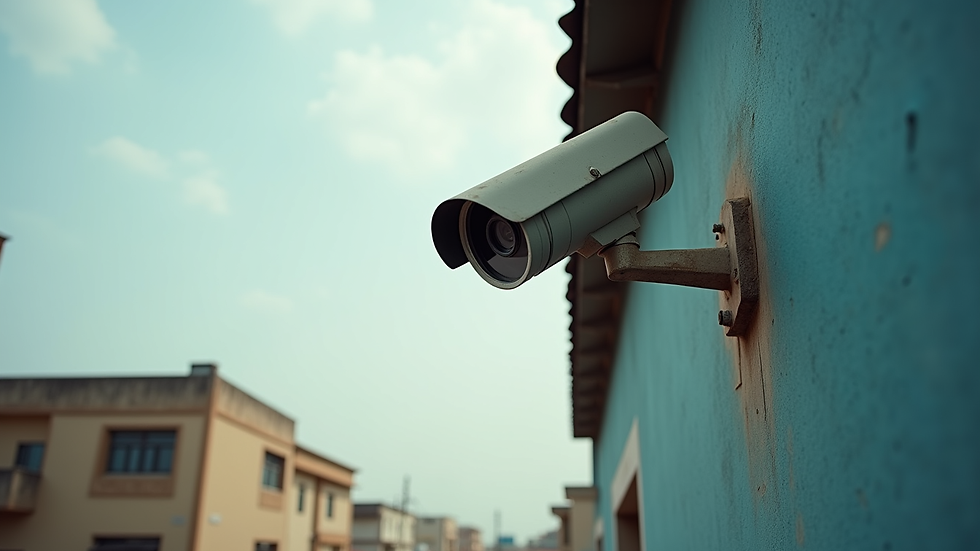
CCTV and Video Analytics: High-definition cameras combined with AI-driven analytics enable proactive threat detection.
Biometric Access Control: Fingerprint and facial recognition systems enhance access security at sensitive sites.
Drones and Aerial Surveillance: Provide real-time intelligence and situational awareness over large areas.
Integrated Command Centers: Centralized hubs that consolidate data streams for coordinated decision-making.
Implementing these technologies requires careful planning and training. Agencies must ensure interoperability and maintain rigorous maintenance schedules to maximize effectiveness.
Is the Security Service Forms Out for 2025?
The question of whether security service forms are out for 2025 is crucial for agencies planning their operational readiness. As of now, the formal documentation and application processes for security service contracts and certifications for 2025 are being finalized by regulatory bodies. It is essential for agencies and providers to stay informed through official channels to ensure compliance and timely participation.
Preparation steps include:
Monitoring announcements from the Ministry of Interior and relevant security authorities.
Updating organizational credentials and certifications.
Engaging with strategic partners to align service offerings with upcoming requirements.
Proactive engagement will position agencies to secure necessary approvals and maintain uninterrupted service delivery.
Strategic Partnerships: The Backbone of Effective Security in Accra
No security solution operates in isolation. Strategic partnerships between government entities, military units, law enforcement, and private security firms are vital. These collaborations facilitate resource sharing, intelligence exchange, and coordinated operations.
Best practices for fostering effective partnerships include:
Clear Communication Channels: Establish secure and reliable lines for information flow.
Joint Training Exercises: Enhance interoperability and readiness.
Shared Technology Platforms: Enable seamless data integration and operational coordination.
Mutual Accountability: Define roles, responsibilities, and performance metrics.
Such alliances amplify capabilities and create a unified front against evolving threats.

Practical Recommendations for Enhancing Security Posture in Accra
To elevate security standards, agencies should consider the following actionable steps:
Conduct Comprehensive Risk Assessments: Identify vulnerabilities specific to operational environments.
Invest in Continuous Training: Equip personnel with up-to-date skills and knowledge.
Leverage Local Intelligence Networks: Utilize community insights to anticipate and mitigate risks.
Adopt Scalable Security Solutions: Ensure systems can adapt to changing threat landscapes.
Implement Rigorous Compliance Audits: Maintain adherence to national and international security standards.
These measures foster resilience and ensure that security operations remain effective and responsive.
The Future of Security Services in Accra: A Forward-Looking Perspective
The security landscape in Accra is evolving rapidly. Emerging challenges such as cyber threats, transnational crime, and urbanization demand innovative approaches. Agencies must embrace a forward-looking mindset, prioritizing:
Integration of Artificial Intelligence: For predictive analytics and automated threat response.
Enhanced Cyber Defense Capabilities: Protecting critical infrastructure from sophisticated attacks.
Sustainable Security Models: Balancing operational effectiveness with resource efficiency.
Community Engagement: Building trust and cooperation with local populations.
By anticipating future needs and investing strategically, security services in Accra can maintain a decisive edge.
For those seeking detailed insights and partnerships in the region, exploring ghana security accra offers valuable resources and connections to leading providers committed to excellence in integrated intelligence, defense, and security solutions.


Comments