Exploring Types of Security Posts in Ghana: A Comprehensive Overview

Security infrastructure forms the backbone of national safety and stability. In Ghana, a country with a growing economy and strategic geopolitical importance, understanding the various types of security posts is essential. These posts serve as critical nodes in the defense and law enforcement network. They enable rapid response, intelligence gathering, and effective control of security threats. This article provides a detailed examination of the types of security posts in Ghana, their functions, and their strategic importance.
Types of Security Posts in Ghana
Security posts in Ghana are diverse, reflecting the multifaceted nature of security challenges faced by the country. They range from fixed installations to mobile units, each designed to fulfill specific roles. The primary types include:
Military Checkpoints: Positioned along major highways and borders, these posts control movement and prevent illegal activities such as smuggling and unauthorized crossings.
Police Stations and Outposts: These serve as local law enforcement hubs, handling crime prevention, investigation, and community policing.
Border Security Posts: Located at official entry points, these posts manage immigration control and customs enforcement.
Intelligence Gathering Posts: Operated by specialized agencies, these posts focus on surveillance and information collection to preempt security threats.
Rapid Response Units: Mobile and strategically placed, these units provide quick intervention during emergencies or security breaches.
Each type of post is staffed by trained personnel equipped with the necessary tools to execute their duties effectively. Their locations are strategically chosen based on threat assessments and operational requirements.

How Many Levels Are in Security?
Security in Ghana operates on multiple levels, each with distinct responsibilities and operational scopes. Understanding these levels clarifies how security posts integrate into the broader national security framework.
Strategic Level: This top tier involves national defense planning, policy formulation, and coordination among various security agencies. It includes headquarters and command centers.
Operational Level: At this level, security posts execute plans and directives from the strategic level. They manage resources, conduct operations, and maintain situational awareness.
Tactical Level: This is the frontline level where direct engagement with security threats occurs. Checkpoints, patrols, and rapid response teams operate here.
Support Level: Provides logistical, technical, and intelligence support to the other levels. This includes communication centers, intelligence analysis units, and supply depots.
Each level is interdependent, ensuring a cohesive and responsive security apparatus. The effectiveness of security posts depends on seamless coordination across these levels.
Strategic Importance of Security Posts in Ghana
Security posts are not merely physical locations; they are strategic assets. Their placement and operation directly impact national security outcomes. For example:
Border Security Posts prevent infiltration by hostile elements and control the flow of goods and people, which is vital for economic security.
Military Checkpoints deter insurgency and criminal activities in volatile regions.
Police Outposts enhance community trust and provide rapid law enforcement response.
Intelligence Posts enable proactive threat identification, reducing the risk of surprise attacks.
The strategic deployment of these posts supports Ghana’s broader security objectives, including counterterrorism, crime reduction, and protection of critical infrastructure.

Enhancing Security Post Effectiveness: Recommendations
To maximize the impact of security posts, several practical measures are essential:
Integrated Communication Systems: Establishing robust communication links between posts and command centers ensures real-time information sharing.
Regular Training and Capacity Building: Personnel must receive ongoing training to adapt to evolving security challenges.
Technological Upgrades: Incorporating surveillance cameras, drones, and biometric systems enhances monitoring capabilities.
Community Engagement: Building strong relationships with local communities improves intelligence gathering and cooperation.
Resource Allocation: Adequate funding and equipment provision are critical for operational readiness.
Implementing these recommendations will strengthen the operational capacity of security posts and contribute to national stability.
The Role of Technology in Modern Security Posts
Technology is transforming how security posts operate. In Ghana, the integration of advanced tools is becoming increasingly important. Key technological applications include:
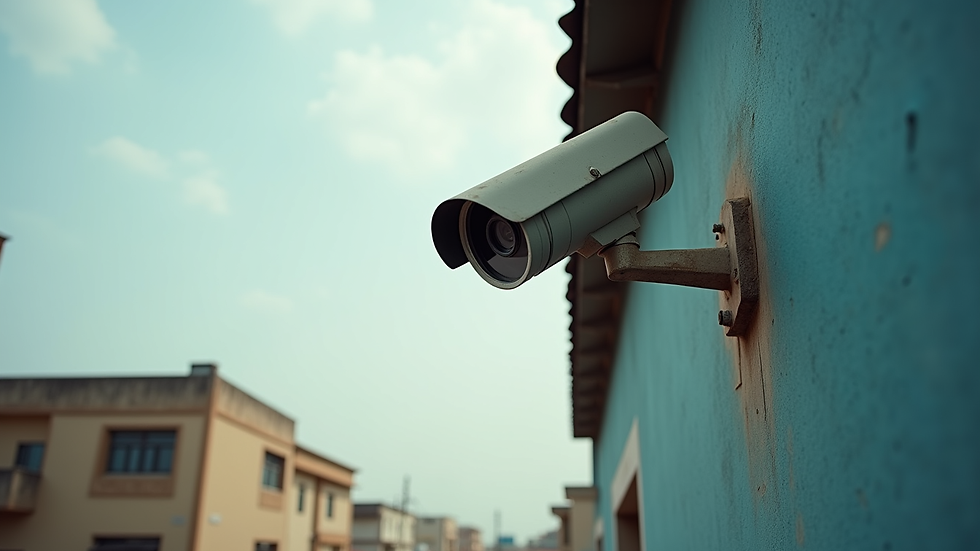
Surveillance Systems: CCTV cameras and motion sensors provide continuous monitoring.
Data Analytics: Intelligence posts use data analytics to identify patterns and predict threats.
Communication Networks: Secure radio and satellite communication enable coordination across remote locations.
Access Control Systems: Biometric scanners and electronic gates enhance security at sensitive posts.
Mobile Patrol Vehicles: Equipped with GPS and communication devices, these vehicles increase mobility and response speed.
Adopting these technologies ensures that security posts remain effective against modern threats.
Final Thoughts on Security Posts in Ghana
Understanding the landscape of security posts in Ghana reveals a complex, well-structured system designed to safeguard the nation. From military checkpoints to intelligence units, each post plays a vital role. The integration of technology and strategic planning enhances their effectiveness. For agencies tasked with national security, recognizing the importance of these posts and investing in their development is non-negotiable.
For those interested in a detailed directory and operational insights, exploring all security posts in Ghana provides valuable information to support strategic decision-making and operational planning.
This knowledge empowers stakeholders to build a resilient security framework capable of addressing current and future challenges.


Comments