Understanding Security Posts in Ghana: Security Post Types Explained
- CSS

- Jan 26
- 4 min read
Security posts form the backbone of national safety and operational readiness in Ghana. They serve as critical points for surveillance, control, and rapid response. In this article, I will provide a detailed exploration of security posts in Ghana, focusing on their types, functions, and organizational structure. This knowledge is essential for government, military, and law enforcement agencies aiming to optimize their security frameworks.
Security Post Types Explained
Security posts in Ghana are strategically designed to address various security needs. Each type serves a specific purpose, ensuring comprehensive coverage across different environments and threat levels. Understanding these types allows agencies to deploy resources effectively and maintain operational efficiency.
Static Security Posts
Static posts are fixed locations, often at critical infrastructure points such as government buildings, military bases, and border crossings. These posts provide continuous monitoring and control. Personnel stationed here are responsible for access control, surveillance, and immediate threat detection.
Example: A static post at a border checkpoint will verify identities, inspect vehicles, and monitor for illegal crossings or smuggling activities.
Mobile Security Posts
Mobile posts involve patrol units that move within designated areas. These posts increase flexibility and cover larger territories. They are essential for rural or less accessible regions where fixed posts are impractical.
Example: Mobile patrols in remote border areas help detect unauthorized movements and provide rapid response to incidents.
Observation Posts
Observation posts are elevated or concealed positions designed for surveillance. They provide a vantage point to monitor large areas discreetly. These posts are crucial for intelligence gathering and early warning.
Example: An observation post on a hill overlooking a border region can detect suspicious activities before they escalate.
Checkpoints
Checkpoints are temporary or permanent posts established to control movement and enforce security protocols. They are often used during heightened security alerts or special operations.
Example: A checkpoint on a major highway can intercept illegal arms trafficking or monitor for insurgent movements.
Command Posts
Command posts serve as operational hubs where security personnel coordinate activities, communicate intelligence, and manage resources. These posts are vital during emergencies and large-scale operations.
Example: A command post during a national security exercise coordinates multiple units and ensures effective communication.

How Many Levels Are in Security?
Security posts in Ghana operate within a hierarchical structure that ensures clear command and control. Understanding these levels is key to appreciating how security operations are managed.
Level 1: Tactical Posts
These are frontline posts such as static, mobile, and observation posts. They engage directly with the environment and potential threats. Personnel here execute immediate security tasks and report incidents.
Level 2: Operational Posts
Operational posts include command posts and regional control centers. They analyze information from tactical posts and make decisions on resource deployment and response strategies.
Level 3: Strategic Posts
Strategic posts are high-level command centers responsible for overall security policy, coordination with national agencies, and long-term planning. They integrate intelligence from various sources to guide national security efforts.
This three-tiered system ensures that information flows efficiently from the ground level to strategic decision-makers, enabling timely and effective responses.
The Role of Technology in Security Posts
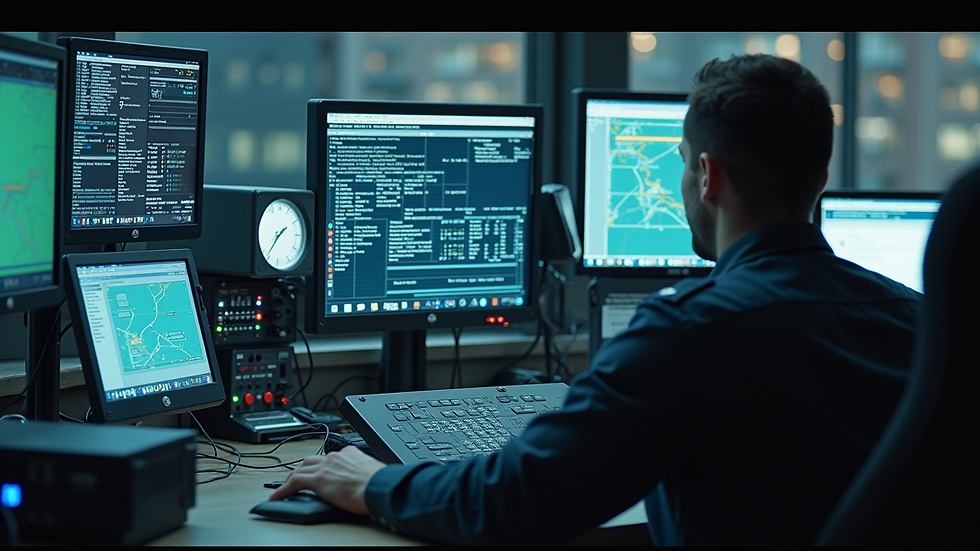
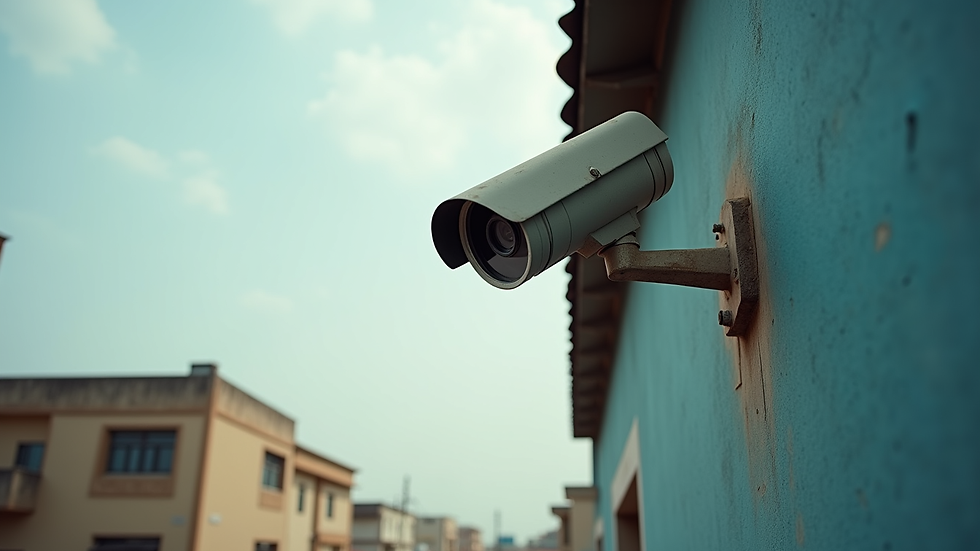
Modern security posts in Ghana increasingly rely on technology to enhance their capabilities. Integration of surveillance systems, communication networks, and data analytics improves situational awareness and operational efficiency.
Surveillance Cameras: High-definition cameras provide real-time monitoring and recording.
Communication Systems: Secure radios and satellite links ensure uninterrupted communication.
Access Control: Biometric and electronic systems regulate entry to sensitive areas.
Data Analytics: Software tools analyze patterns and predict potential threats.
Agencies must invest in these technologies to maintain a competitive edge in security operations.
Best Practices for Managing Security Posts
Effective management of security posts requires adherence to established protocols and continuous training. Here are key recommendations:
Clear Standard Operating Procedures (SOPs): Define roles, responsibilities, and response actions for each post type.
Regular Training: Conduct drills and simulations to prepare personnel for various scenarios.
Resource Allocation: Ensure posts are adequately staffed and equipped based on threat assessments.
Communication Protocols: Maintain secure and reliable communication channels.
Intelligence Sharing: Foster collaboration between posts and agencies for comprehensive situational awareness.
Performance Monitoring: Implement evaluation systems to assess effectiveness and identify areas for improvement.
Adopting these practices enhances the reliability and responsiveness of security posts.
Strategic Importance of Security Posts in Ghana
Security posts are not merely physical locations; they represent the operational nerve centers of national security. Their strategic placement and function enable Ghana to:
Protect critical infrastructure and borders.
Deter and respond to criminal and insurgent activities.
Support intelligence gathering and analysis.
Facilitate coordination among military, police, and intelligence agencies.
For organizations like Concept Security Systems (CSS), understanding and optimizing these posts is fundamental to delivering integrated intelligence, defense, and security solutions. By strengthening security posts, Ghana and the wider West African region can achieve greater stability and mission success.
For detailed information on all security posts and their deployment, agencies should consult specialized resources and collaborate with experienced security providers.
Security posts in Ghana are vital components of a robust security architecture. Their types, hierarchical levels, technological integration, and management practices collectively ensure effective national defense and law enforcement. Mastery of these elements empowers agencies to safeguard their nations with precision and confidence.


Comments