Understanding Security Posts in Ghana: Security Post Types Explained
- CSS

- Feb 20
- 4 min read
Security posts form the backbone of national safety and operational readiness in Ghana. They serve as critical points for surveillance, control, and rapid response. As someone deeply involved in the security sector, I understand the importance of clear knowledge about these posts. This article breaks down the various security post types, their functions, and their strategic significance. It is designed to provide practical insights for government, military, and law enforcement agencies aiming to enhance their operational frameworks.
Security Post Types Explained: A Clear Overview
Security posts in Ghana are structured to address diverse security needs. Each type serves a specific purpose, ensuring comprehensive coverage across urban and rural areas. Understanding these types helps in deploying resources effectively and maintaining robust security networks.
Static Security Posts: These are fixed locations such as checkpoints, guardhouses, and outposts. They provide continuous monitoring and control over strategic points like borders, government buildings, and critical infrastructure.
Mobile Security Posts: These involve patrol units and mobile checkpoints. They offer flexibility and rapid response capabilities, essential for covering large or difficult terrain.
Observation Posts: Positioned at vantage points, these posts focus on surveillance and intelligence gathering. They are often equipped with advanced monitoring equipment.
Command Posts: These serve as operational hubs where security personnel coordinate activities, communicate intelligence, and manage resources.
Temporary Security Posts: Established during special events or emergencies, these posts provide additional security presence and control.
Each type plays a vital role in the overall security architecture. For example, static posts secure fixed assets, while mobile posts adapt to dynamic threats. Observation posts enhance situational awareness, and command posts ensure effective leadership and coordination.

Static security checkpoints provide continuous control over key access points.
How Many Levels Are in Security?
Security posts in Ghana operate across multiple levels, reflecting the complexity of threats and operational demands. These levels ensure a layered defense system that enhances resilience and response efficiency.
Local Level: This includes community-based posts and local police stations. They handle everyday security issues and maintain order within neighborhoods.
District Level: District security posts coordinate activities across several local posts. They manage resources and respond to incidents that exceed local capacity.
Regional Level: Regional posts oversee district operations and integrate intelligence from various sources. They play a strategic role in planning and resource allocation.
National Level: At this highest level, command centers coordinate nationwide security efforts. They liaise with military and intelligence agencies to address large-scale threats.
This hierarchical structure allows for clear communication channels and efficient deployment of personnel and equipment. It also facilitates rapid escalation of incidents to appropriate authorities.
Strategic Importance of Security Posts in Ghana
Security posts are not merely physical locations; they are strategic assets. Their placement and operation directly impact national security and public safety.
Border Security: Posts along Ghana’s borders prevent illegal crossings, smuggling, and infiltration by hostile elements.
Urban Security: In cities, posts protect government offices, financial institutions, and critical infrastructure.
Rural Security: Posts in rural areas deter banditry, protect agricultural assets, and support community safety.
Event Security: Temporary posts during national events or emergencies ensure crowd control and rapid incident response.
Effective security posts contribute to intelligence gathering, crime prevention, and rapid intervention. They also build public confidence in security agencies.

Command posts coordinate security operations and manage resources efficiently.
Practical Recommendations for Enhancing Security Posts
To maximize the effectiveness of security posts, agencies should consider the following:
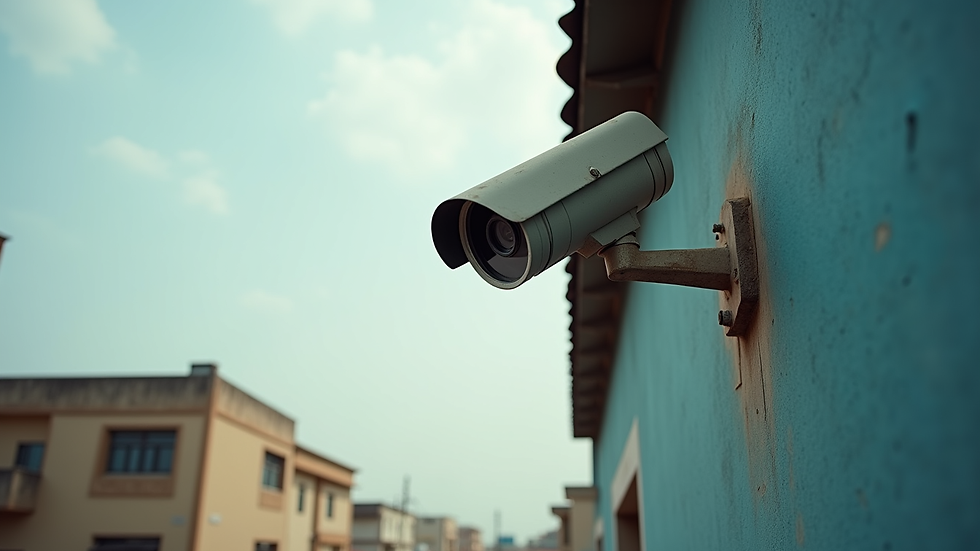
Integrate Technology: Use surveillance cameras, drones, and communication systems to enhance monitoring and coordination.
Regular Training: Ensure personnel are trained in situational awareness, emergency response, and community engagement.
Community Collaboration: Engage local communities to gather intelligence and foster cooperation.
Resource Allocation: Deploy personnel and equipment based on threat assessments and operational priorities.
Maintenance and Upgrades: Regularly maintain infrastructure and update technology to keep posts operational and effective.
These steps ensure that security posts remain adaptive and capable of meeting evolving security challenges.
The Role of Integrated Security Solutions
In today’s security environment, isolated posts are insufficient. Integration across all security posts is essential for comprehensive coverage and rapid response.
Concept Security Systems (CSS) is committed to providing integrated intelligence, defense, and security solutions tailored to the needs of West Africa. By linking all security posts through advanced communication networks and data sharing platforms, CSS enables seamless coordination among government, military, and law enforcement agencies.
This integration supports:
Real-time intelligence sharing
Coordinated response to threats
Efficient resource management
Enhanced situational awareness
Such capabilities are critical for mission success and national security.
Moving Forward with Security Post Development
The future of security in Ghana depends on continuous improvement and strategic investment in security posts. Agencies must prioritize:
Expanding coverage to underserved areas
Incorporating advanced technology and analytics
Strengthening inter-agency collaboration
Fostering public-private partnerships for security innovation
By focusing on these areas, Ghana can build a resilient security infrastructure that protects its citizens and supports regional stability.
Security posts are more than checkpoints or guardhouses. They are vital components of a national security strategy. Understanding their types, levels, and strategic roles empowers agencies to deploy them effectively. With integrated solutions and ongoing development, Ghana’s security posts will continue to safeguard the nation’s future.


Comments