Understanding Security Posts in Ghana: Security Post Types Explained

Security posts form the backbone of national safety and operational efficiency in Ghana. They serve as critical points for surveillance, control, and rapid response. Understanding the various security post types is essential for agencies tasked with protecting the nation. This knowledge enables better deployment, coordination, and resource allocation.
Security posts are not uniform. They vary in function, location, and operational scope. Each type addresses specific security needs, from border control to urban surveillance. This article breaks down the key security post types in Ghana, explains their roles, and highlights how they integrate into the broader security framework.
Security Post Types Explained
Security posts in Ghana can be broadly categorized based on their operational environment and purpose. The main types include:
Static Security Posts: Fixed locations such as checkpoints, guardhouses, and control rooms. These posts monitor entry points, sensitive installations, and strategic locations.
Mobile Security Posts: Units that move within a designated area to provide flexible security coverage. These include patrol vehicles and rapid response teams.
Observation Posts: Elevated or concealed positions used for surveillance and intelligence gathering. Often located in border areas or conflict-prone zones.
Command Posts: Centralized hubs for coordinating security operations. They manage communication, intelligence analysis, and deployment of forces.
Temporary Security Posts: Set up during special events, emergencies, or operations. These posts are adaptable and dismantled after the mission.
Each type plays a distinct role but works in concert to ensure comprehensive security coverage. For example, static posts control access, while mobile units respond to incidents detected by observation posts.

Static security checkpoint at a highway entrance in Ghana
How Many Levels Are in Security?
Security in Ghana operates on multiple levels to address diverse threats effectively. These levels correspond to the hierarchy and scope of security posts:
Local Level: Includes community and neighborhood posts. These are the first line of defense, focusing on local crime prevention and public safety.
Regional Level: Covers larger geographic areas such as districts or regions. Posts at this level coordinate multiple local posts and handle more complex security challenges.
National Level: Encompasses strategic posts that protect critical infrastructure, borders, and national assets. Command posts at this level oversee nationwide security operations.
Specialized Level: Includes posts dedicated to specific functions like intelligence, counter-terrorism, and cyber security. These posts often operate under specialized agencies.
Understanding these levels helps in structuring security forces and deploying resources efficiently. It also clarifies command chains and communication protocols.
Strategic Importance of Security Posts in Ghana
Security posts are vital for maintaining law and order. They deter criminal activities and provide rapid intervention capabilities. In Ghana, the strategic placement of security posts enhances border security, urban safety, and protection of critical infrastructure.
For instance, border posts prevent illegal crossings and smuggling. Urban posts reduce crime rates in high-risk areas. Command posts ensure coordinated responses during emergencies or national threats.
Effective security posts also support intelligence gathering. Observation posts collect real-time data, which informs decision-making at command centers. This integration strengthens national security and supports mission success.

Command post equipped with communication technology in Ghana
Integrating Technology in Security Posts
Modern security posts in Ghana increasingly rely on technology to enhance effectiveness. Surveillance cameras, drones, biometric systems, and communication networks are now standard tools.
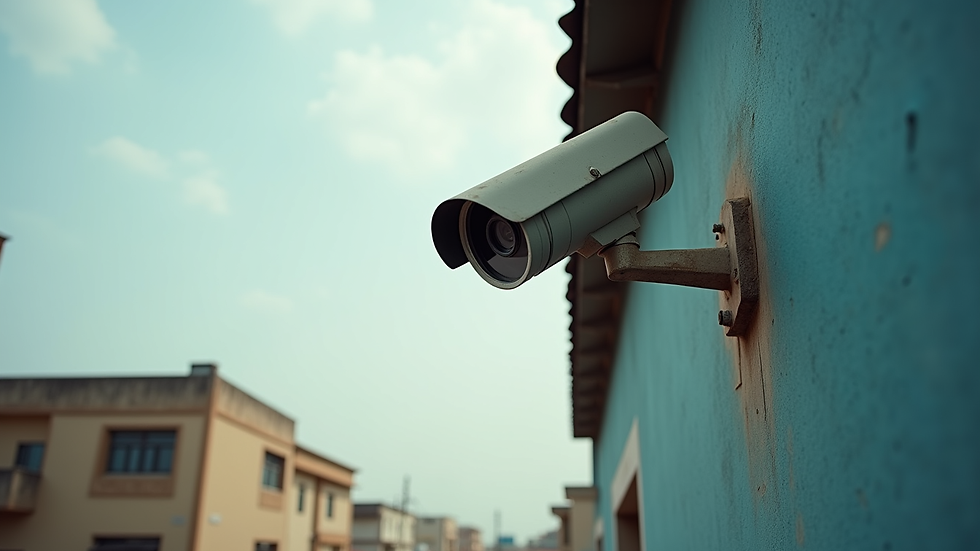
Surveillance Cameras: Provide continuous monitoring and record evidence.
Drones: Offer aerial reconnaissance, especially in hard-to-reach areas.
Biometric Systems: Control access and verify identities at checkpoints.
Communication Networks: Enable real-time coordination between posts and command centers.
These technologies improve situational awareness and response times. They also reduce human error and increase operational efficiency.
Agencies must invest in training personnel to operate these technologies effectively. Regular maintenance and upgrades are essential to keep pace with evolving threats.
Best Practices for Managing Security Posts
Managing security posts requires clear protocols and disciplined execution. Here are key recommendations:
Standardize Procedures: Develop uniform operating procedures for all security posts to ensure consistency.
Regular Training: Conduct ongoing training to keep personnel skilled and alert.
Effective Communication: Maintain secure and reliable communication channels between posts and command centers.
Resource Allocation: Deploy personnel and equipment based on threat assessments and operational priorities.
Community Engagement: Foster cooperation with local communities to enhance intelligence and trust.
Performance Monitoring: Use audits and evaluations to identify gaps and improve operations.
Adhering to these practices strengthens the overall security posture and supports mission objectives.
The Role of All Security Posts in National Security
The collective function of all security posts forms a comprehensive security network. This network enables Ghana to address threats proactively and maintain public safety.
Concept Security Systems (CSS) is committed to enhancing this network. By providing integrated intelligence, defense, and security solutions, CSS supports governments, military, and law enforcement agencies in achieving mission success.
Understanding the types, levels, and management of security posts is fundamental. It empowers agencies to deploy resources strategically and respond effectively to emerging challenges.
Security posts are more than physical locations. They are critical nodes in a dynamic security ecosystem. Mastery of their functions and integration is essential for safeguarding Ghana and the wider West African region.


Comments