Understanding Security Posts in Ghana: Security Post Types Explained

Security posts form the backbone of national safety and operational readiness in Ghana. They serve as critical points for surveillance, control, and rapid response. Understanding the various security post types is essential for optimizing defense strategies and ensuring effective coordination among government, military, and law enforcement agencies.
Security posts are not uniform. They vary in function, location, and operational scope. Each type addresses specific security needs, from border control to urban surveillance. This article provides a detailed examination of these posts, their roles, and their strategic importance in Ghana’s security architecture.
Security Post Types Explained
Security posts in Ghana can be broadly categorized based on their operational environment and purpose. The main types include:
Fixed Security Posts: These are permanent installations located at strategic points such as border crossings, military bases, and government buildings. They provide continuous monitoring and control.
Mobile Security Posts: These posts are temporary and movable. They are deployed during special operations, emergencies, or in areas requiring flexible security coverage.
Checkpoints: Positioned along roads and highways, checkpoints control the movement of people and goods. They are vital for preventing illegal activities such as smuggling and trafficking.
Observation Posts: Typically located in elevated or concealed positions, observation posts focus on surveillance and intelligence gathering.
Command Posts: These serve as operational hubs where security personnel coordinate activities, communicate intelligence, and manage resources.
Each type plays a distinct role but works in concert to maintain national security. For example, fixed posts provide stability, while mobile posts offer adaptability. Checkpoints enforce law and order, and observation posts enhance situational awareness.

The strategic placement of these posts ensures comprehensive coverage. For instance, fixed posts at border points prevent unauthorized entry, while mobile posts can be dispatched to hotspots identified through intelligence reports.
How Many Levels Are in Security?
Security in Ghana operates on multiple levels, each with specific responsibilities and authority. Understanding these levels clarifies how security posts fit into the broader framework.
National Level: This includes high-command centers and strategic posts responsible for nationwide security policies and coordination. Command posts at this level oversee large-scale operations and inter-agency collaboration.
Regional Level: Regional security posts manage security within defined geographic areas. They coordinate local law enforcement and military units, ensuring regional stability.
District Level: At this level, security posts focus on community safety, crime prevention, and rapid response. Checkpoints and mobile posts are common here.
Local Level: Local posts handle day-to-day security concerns within towns and neighborhoods. They maintain close contact with the community and provide immediate assistance.
Each level integrates with the others to form a cohesive security network. This hierarchical structure allows for efficient communication, resource allocation, and operational flexibility.
The Role of Technology in Security Posts
Modern security posts in Ghana increasingly rely on technology to enhance effectiveness. Surveillance cameras, communication systems, and data analytics tools are now standard.
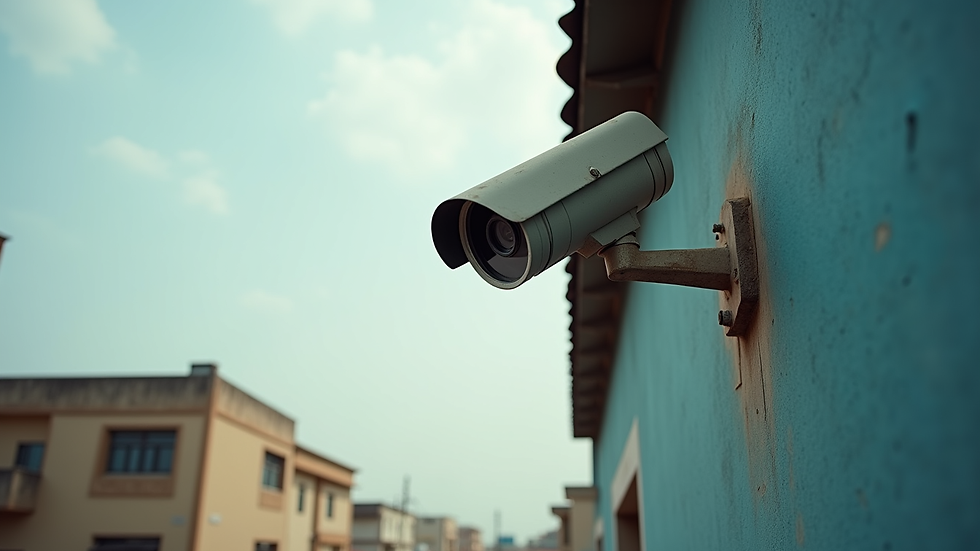
Surveillance Systems: CCTV cameras and drones provide real-time monitoring, reducing blind spots and improving response times.
Communication Networks: Secure radio and digital communication enable seamless coordination between posts and command centers.
Data Management: Intelligence gathered at posts is analyzed to predict threats and plan operations.
Investing in technology transforms traditional posts into smart security hubs. This integration supports proactive security measures rather than reactive responses.

Technology also facilitates training and simulation exercises, preparing personnel for diverse scenarios. It is essential for maintaining operational readiness and adapting to evolving threats.
Strategic Importance of Security Posts in Ghana
Security posts are vital for protecting national interests. They serve as the first line of defense against internal and external threats. Their strategic importance includes:
Border Security: Preventing illegal crossings, trafficking, and smuggling.
Counterterrorism: Detecting and neutralizing threats before they escalate.
Public Safety: Maintaining order during public events and emergencies.
Intelligence Gathering: Collecting data to inform policy and operational decisions.
Effective security posts contribute to national stability and economic growth by creating a safe environment for citizens and investors.
Enhancing Security Post Effectiveness: Recommendations
To maximize the impact of security posts, agencies should consider the following:
Regular Training: Continuous skill development ensures personnel are prepared for diverse challenges.
Inter-agency Collaboration: Sharing intelligence and resources improves operational efficiency.
Community Engagement: Building trust with local populations enhances information flow and cooperation.
Infrastructure Investment: Upgrading facilities and technology supports sustained operations.
Performance Monitoring: Implementing metrics to assess and improve post effectiveness.
By adopting these measures, security posts can better fulfill their critical roles.
For a comprehensive overview of all security posts and their functions, refer to the detailed resources provided by Concept Security Systems.
Moving Forward with Integrated Security Solutions
Understanding the diverse types of security posts and their roles is fundamental for strengthening Ghana’s security framework. As threats evolve, so must the strategies and infrastructure supporting these posts.
Concept Security Systems (CSS) is committed to advancing integrated intelligence, defense, and security solutions across West Africa. By leveraging strategic partnerships and cutting-edge technology, CSS aims to empower government, military, and law enforcement agencies to protect their nations effectively.
Security posts are more than physical locations; they are dynamic components of a resilient security ecosystem. Investing in their development ensures a safer future for Ghana and the region.


Comments