Understanding Security Posts in Ghana: Security Post Types Explained

Security posts form the backbone of national safety and operational readiness in Ghana. They serve as critical points for surveillance, control, and rapid response. Understanding the various security post types is essential for effective deployment and management. This knowledge empowers government, military, and law enforcement agencies to optimize their security infrastructure and enhance mission success.
Security Post Types Explained
Security posts in Ghana are designed to meet diverse operational needs. Each type serves a specific function, tailored to the environment and threat level. The main categories include static posts, mobile posts, observation posts, and checkpoint posts.
Static Posts: These are fixed locations, often manned 24/7. They provide continuous monitoring and control over strategic points such as government buildings, military bases, and critical infrastructure. Static posts are fortified and equipped with communication tools to coordinate with command centers.
Mobile Posts: These involve patrol units that move within designated areas. Mobile posts increase flexibility and cover larger territories. They are essential for rapid response and deterrence in urban and rural settings.
Observation Posts: Positioned at vantage points, observation posts focus on surveillance and intelligence gathering. They are often elevated or concealed to maximize visibility while minimizing detection.
Checkpoint Posts: These control access to sensitive areas. Checkpoints verify identities, inspect vehicles, and prevent unauthorized entry. They are vital in border security and during heightened alert periods.
Each post type requires specific training, equipment, and protocols. Understanding these distinctions allows agencies to deploy resources efficiently and maintain robust security coverage.

The Role of Security Posts in National Defense
Security posts are more than mere physical locations. They are integral components of a layered defense strategy. Their presence deters criminal activity and hostile actions. They also serve as early warning systems, providing critical intelligence to command centers.
In Ghana, security posts support various operations:
Border Security: Posts along borders monitor cross-border movement and prevent illegal activities such as smuggling and trafficking.
Urban Security: Posts in cities manage crowd control, traffic, and emergency response.
Critical Infrastructure Protection: Posts safeguard power plants, communication hubs, and transportation nodes.
Military Operations: Posts coordinate troop movements, secure bases, and support combat readiness.
Effective security posts contribute to national stability and public confidence. They enable swift action and informed decision-making in crisis situations.
How Many Levels Are in Security?
Security in Ghana operates on multiple levels, each with distinct responsibilities and authority. These levels ensure comprehensive coverage and clear command structures.
Strategic Level: This top tier involves national security agencies and policymakers. They set security policies, allocate resources, and oversee intelligence operations.
Operational Level: Mid-level commanders manage regional and sectoral security activities. They coordinate between strategic directives and tactical execution.
Tactical Level: Frontline personnel operate security posts, conduct patrols, and engage directly with threats. They implement operational plans on the ground.
Understanding these levels clarifies how security posts fit into the broader framework. It highlights the importance of communication and coordination across all tiers.

Best Practices for Managing Security Posts
Managing security posts effectively requires discipline, technology, and continuous training. Here are key recommendations:
Standard Operating Procedures (SOPs): Develop clear SOPs for each post type. SOPs should cover daily routines, emergency protocols, and communication guidelines.
Regular Training: Conduct frequent drills and refresher courses. Training must emphasize situational awareness, threat identification, and response tactics.
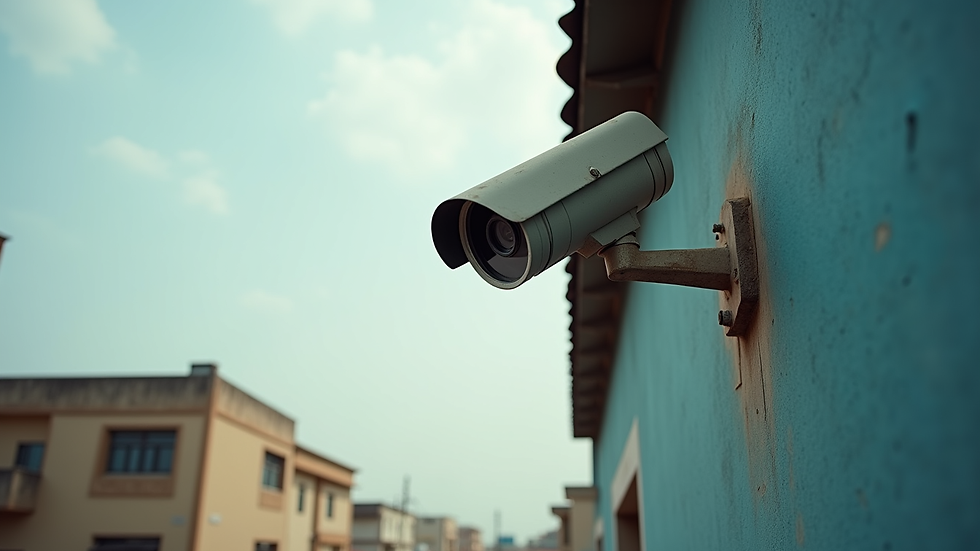
Technology Integration: Equip posts with surveillance cameras, communication devices, and alarm systems. Use data analytics to monitor patterns and predict risks.
Personnel Rotation: Rotate staff to prevent fatigue and complacency. Fresh personnel maintain alertness and reduce insider threats.
Community Engagement: Foster relationships with local communities. Informants and public cooperation enhance intelligence gathering.
Performance Monitoring: Implement evaluation metrics to assess post effectiveness. Use feedback to improve operations continuously.
Adhering to these practices ensures that security posts remain reliable and responsive.
Enhancing Security Post Effectiveness Through Partnerships
Collaboration is vital for maximizing the impact of security posts. Partnerships between government agencies, military units, and law enforcement enhance resource sharing and intelligence exchange.
Joint Operations: Coordinated efforts between agencies improve coverage and reduce duplication.
Information Sharing: Real-time data exchange enables proactive threat mitigation.
Capacity Building: Shared training programs raise overall competency levels.
Technology Sharing: Pooling technological assets increases operational capabilities.
Concept Security Systems (CSS) exemplifies this approach by providing integrated intelligence, defense, and security solutions tailored to West Africa’s unique challenges. Their strategic partnerships empower agencies to protect their nations effectively.
For a comprehensive overview of all security posts and their roles, consult specialized resources to tailor your security infrastructure precisely.
Strategic Outlook on Security Posts in Ghana
Security posts will continue to evolve in response to emerging threats and technological advancements. Agencies must anticipate changes and adapt accordingly.
Cybersecurity Integration: Future posts will incorporate cyber defense elements to counter digital threats.
Smart Surveillance: AI-powered cameras and sensors will enhance detection and reduce human error.
Sustainability: Energy-efficient and environmentally friendly posts will become standard.
Community-Centric Models: Increased focus on community involvement will strengthen trust and cooperation.
By embracing innovation and strategic planning, Ghana’s security posts will remain a cornerstone of national defense.
Understanding the complexities of security posts in Ghana is crucial for maintaining effective defense and law enforcement operations. By mastering the types, roles, management practices, and strategic partnerships, agencies can ensure robust protection and mission success.


Comments