Understanding the Types of Security Posts in Ghana
- CSS

- Dec 29, 2025
- 4 min read
Security remains a critical pillar for national stability and development. In Ghana, the landscape of security posts is diverse, reflecting the complex needs of government, military, and law enforcement agencies. Understanding the types of security posts is essential for effective deployment, resource allocation, and operational success. This knowledge empowers agencies to safeguard assets, maintain public order, and respond swiftly to threats.
Security posts serve as strategic points for surveillance, control, and rapid response. They vary in function, location, and operational scope. Each type addresses specific security challenges, from border control to urban policing. This article provides a detailed examination of the types of security posts in Ghana, their roles, and their significance in the broader security architecture.
Types of Security Posts in Ghana
Security posts in Ghana can be broadly categorized based on their operational focus and jurisdiction. These include:
1. Military Security Posts
Military security posts are established at strategic locations such as borders, military bases, and critical infrastructure. Their primary role is to protect national sovereignty and respond to external threats. These posts are manned by trained military personnel equipped with advanced surveillance and communication tools.
Examples include border checkpoints along Ghana’s frontiers with Côte d'Ivoire, Burkina Faso, and Togo. These posts monitor cross-border movement, prevent smuggling, and deter illegal entry. Military posts also secure military installations and sensitive government facilities.
2. Police Security Posts
Police security posts are widespread across urban and rural areas. They serve as the first point of contact for law enforcement and public safety. These posts handle crime prevention, traffic control, and community policing.
In cities like Accra and Kumasi, police posts are strategically located in high-traffic areas, markets, and transport hubs. They facilitate rapid response to incidents and maintain public order during events and emergencies.
3. Paramilitary and Specialized Security Posts
Paramilitary units such as the Ghana Immigration Service and the Customs Excise and Preventive Service operate specialized security posts. These posts focus on immigration control, customs enforcement, and anti-smuggling operations.
For instance, immigration posts at airports and seaports regulate the entry and exit of persons. Customs posts inspect goods to prevent illegal trade and ensure compliance with regulations.
4. Private Security Posts
Private security companies operate posts in commercial, residential, and industrial areas. These posts provide tailored security solutions, including access control, surveillance, and alarm response.
Private posts often complement public security efforts, especially in high-risk zones or critical infrastructure like banks, factories, and shopping malls.

How Many Levels Are in Security?
Security posts in Ghana operate across multiple levels, each with distinct responsibilities and authority. Understanding these levels clarifies command structures and operational coordination.
1. Strategic Level
At the strategic level, security posts are part of national defense and intelligence frameworks. They focus on long-term planning, threat assessment, and coordination among agencies. Military headquarters and national security offices exemplify this level.
2. Operational Level
Operational security posts manage day-to-day security activities. They coordinate patrols, investigations, and emergency responses. Police stations and military bases fall under this category.
3. Tactical Level
Tactical posts are frontline positions where direct engagement with security threats occurs. These include border checkpoints, roadblocks, and temporary posts during special operations or events.
Each level requires clear communication channels and defined roles to ensure seamless security coverage.
The Role of Technology in Security Posts
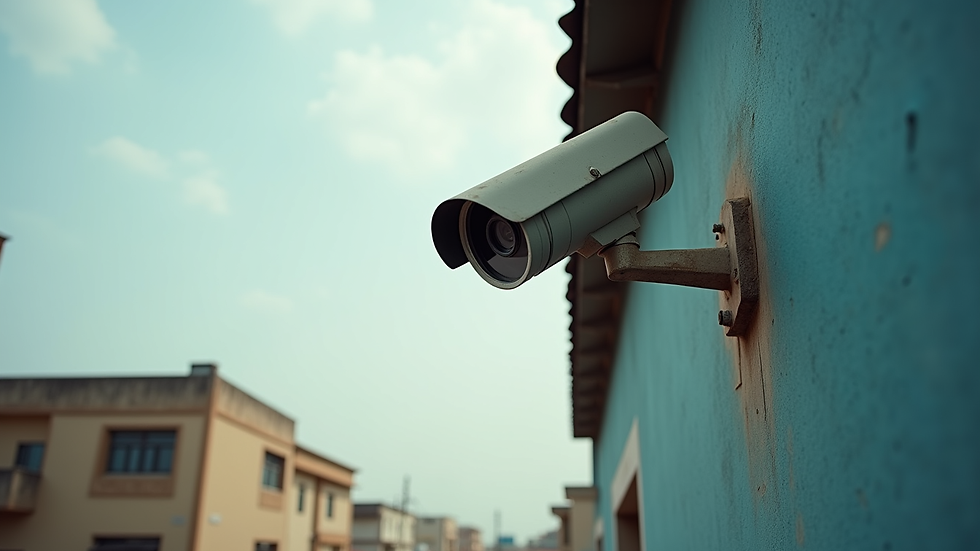
Modern security posts in Ghana increasingly integrate technology to enhance effectiveness. Surveillance cameras, biometric systems, and communication networks are standard tools.
For example, some border posts use electronic gates and scanners to verify identities and inspect cargo. Police posts employ digital reporting systems to improve incident management.
Technology enables faster decision-making and better resource deployment. It also supports intelligence gathering and threat analysis, crucial for proactive security measures.
Challenges Facing Security Posts in Ghana
Despite their importance, security posts face several challenges:
Resource Constraints: Limited funding affects staffing, equipment, and infrastructure maintenance.
Training Gaps: Continuous professional development is necessary to keep personnel updated on modern security practices.
Coordination Issues: Inter-agency collaboration can be hindered by bureaucratic barriers and communication lapses.
Geographical Barriers: Remote and border areas pose logistical difficulties for establishing and maintaining posts.
Addressing these challenges requires strategic investment, policy support, and capacity building.

Enhancing Security Post Effectiveness
To optimize the performance of security posts, agencies should consider the following recommendations:
Invest in Training: Regular training programs to enhance skills in surveillance, crisis management, and community engagement.
Upgrade Infrastructure: Modernize facilities with advanced technology and secure communication systems.
Strengthen Partnerships: Foster collaboration between military, police, paramilitary, and private security providers.
Implement Data-Driven Approaches: Use intelligence and analytics to deploy resources efficiently and anticipate threats.
Community Involvement: Engage local communities to build trust and gather actionable intelligence.
These steps will improve operational readiness and contribute to national security objectives.
Strategic Importance of Security Posts in National Security
Security posts are more than physical locations; they are critical nodes in Ghana’s security network. They enable rapid response, deter criminal activities, and support intelligence operations.
By maintaining a robust network of security posts, Ghana can better protect its borders, infrastructure, and citizens. This aligns with the mission of organizations like Concept Security Systems (CSS), which aims to provide integrated intelligence, defense, and security solutions across West Africa.
Understanding the types of security posts and their functions is fundamental for any agency committed to safeguarding national interests. It ensures that resources are allocated wisely and that security personnel operate with clarity and purpose.
For a comprehensive overview of all security posts in Ghana and their operational details, consult specialized security providers and official government resources.
This knowledge equips you to make informed decisions about security deployment and collaboration. It is a foundation for building a safer, more secure Ghana and West Africa.


Comments